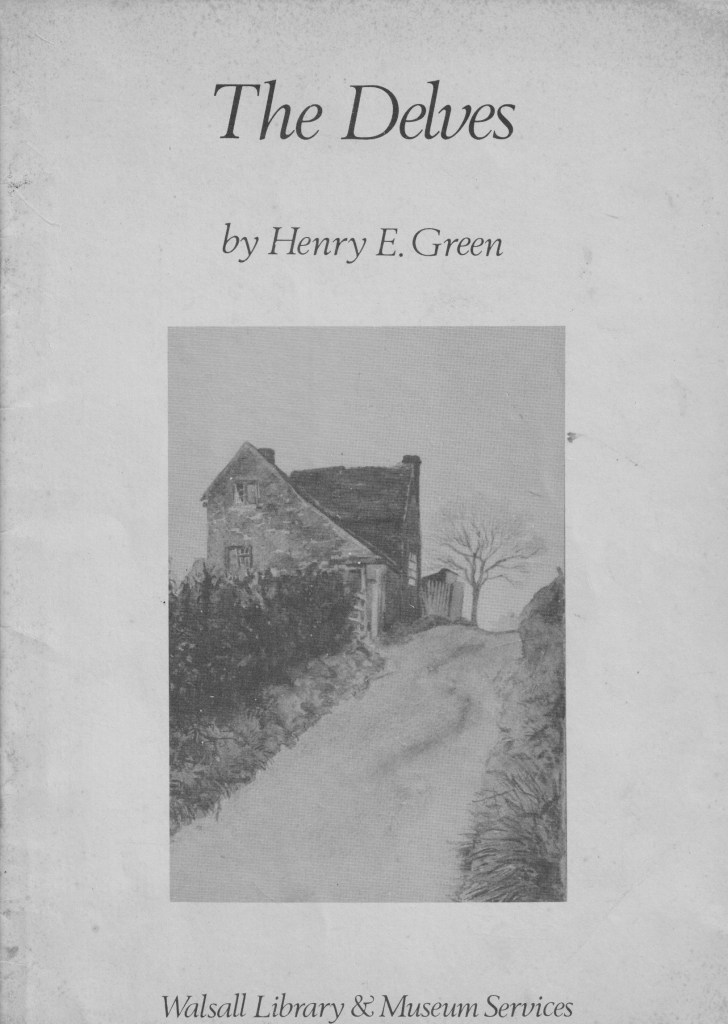
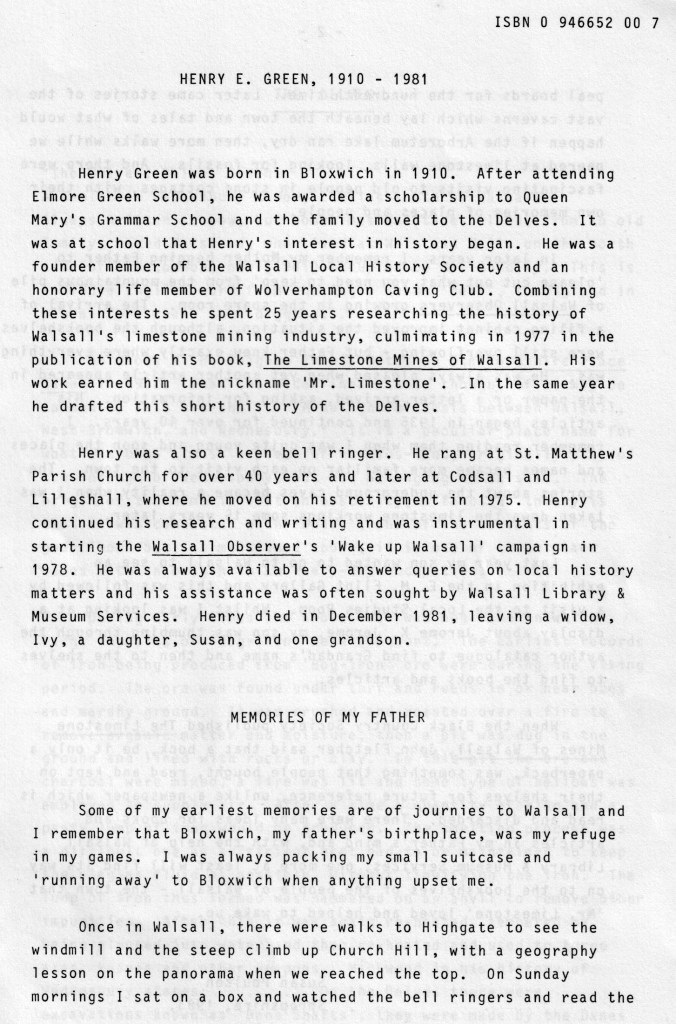
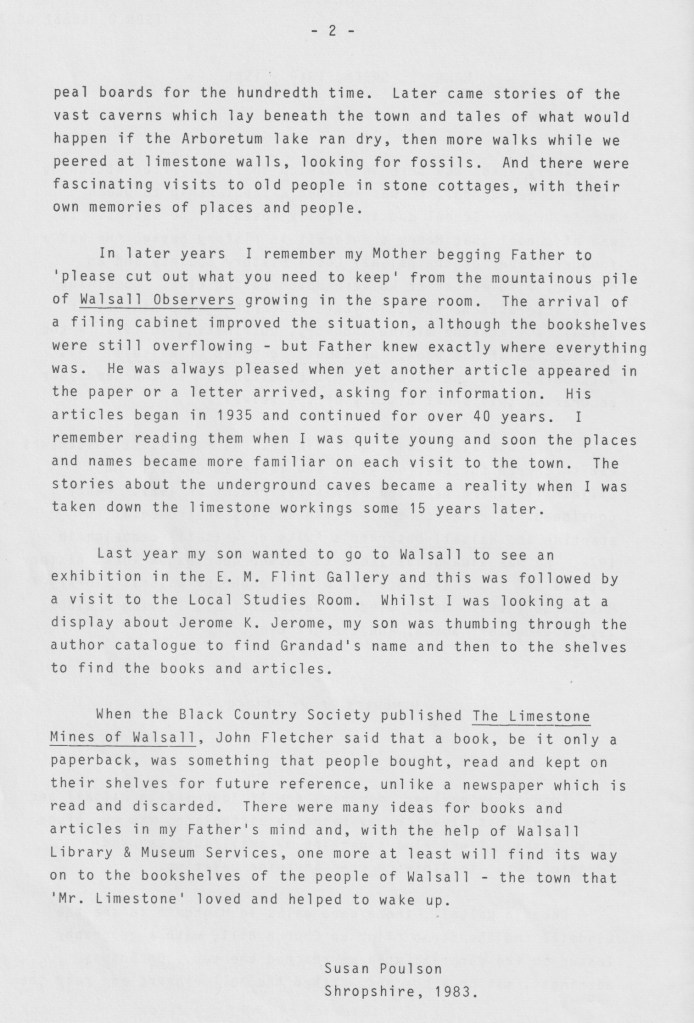
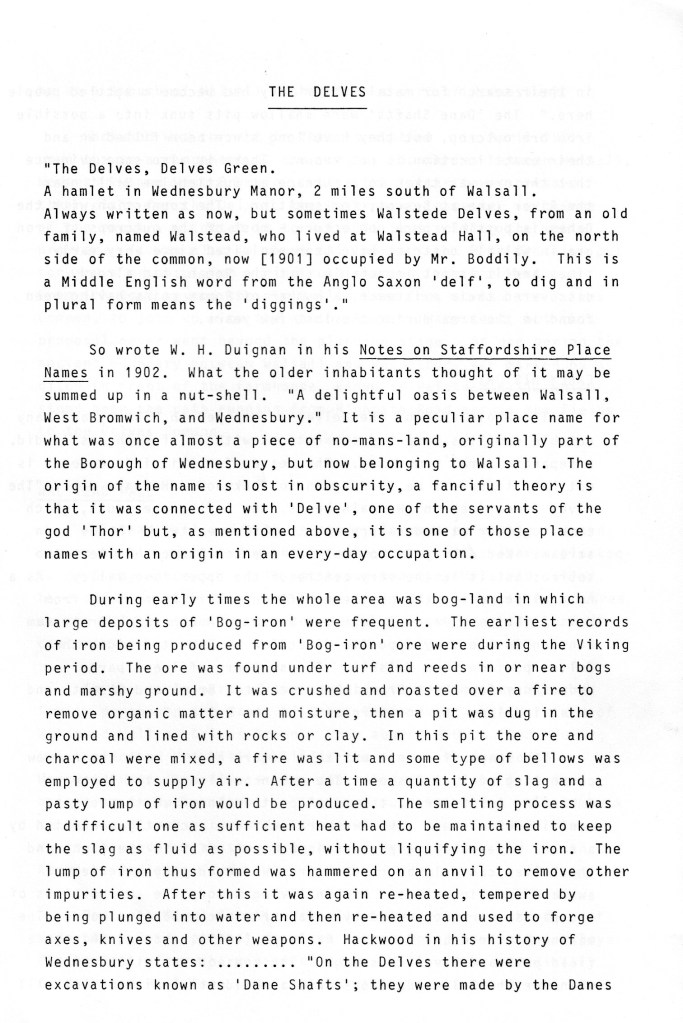
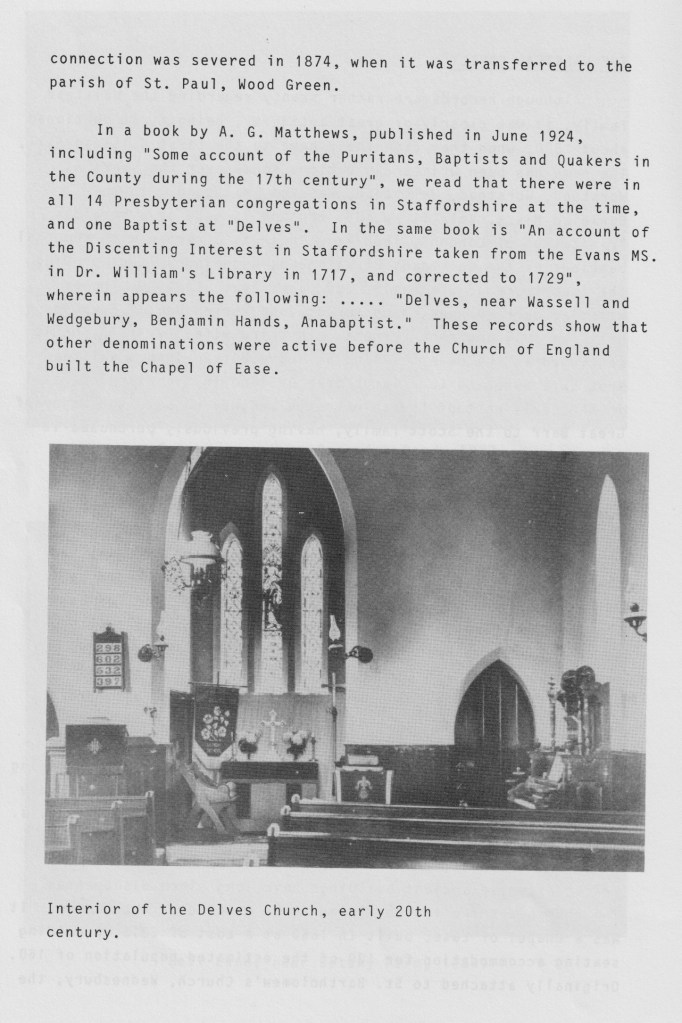
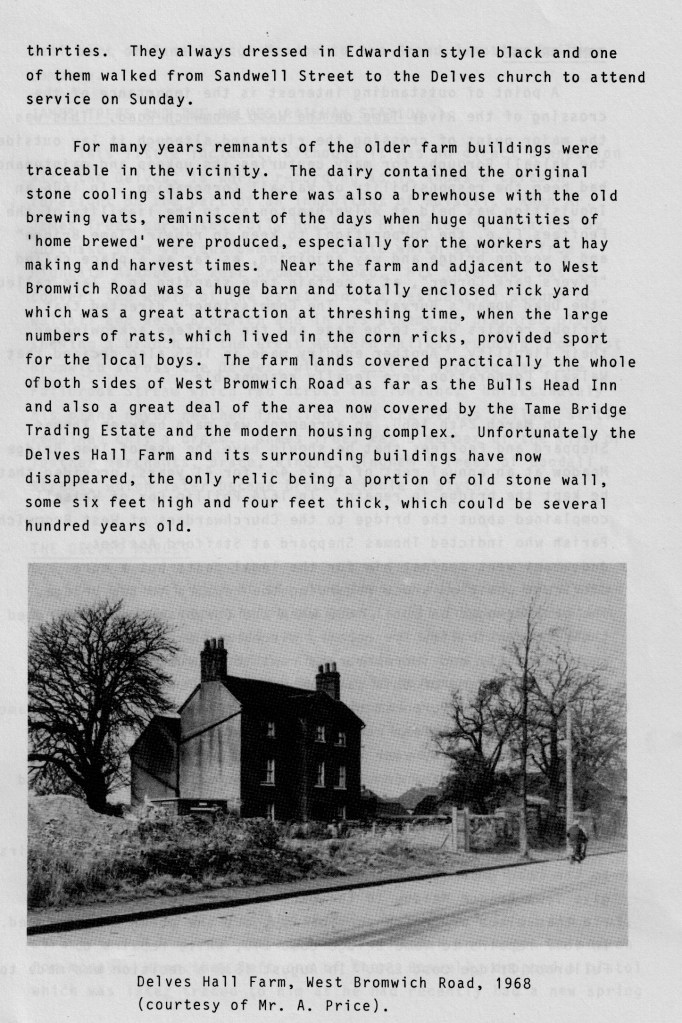
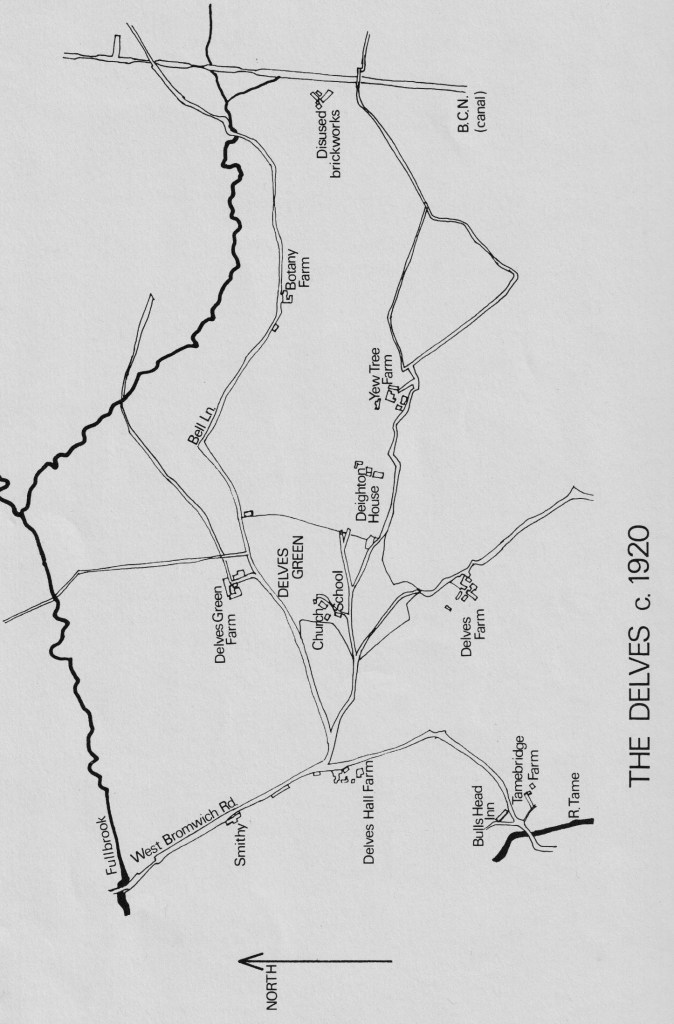
Scans of the 16 page booklet titled The Delves by Henry E. Green, circa 1984
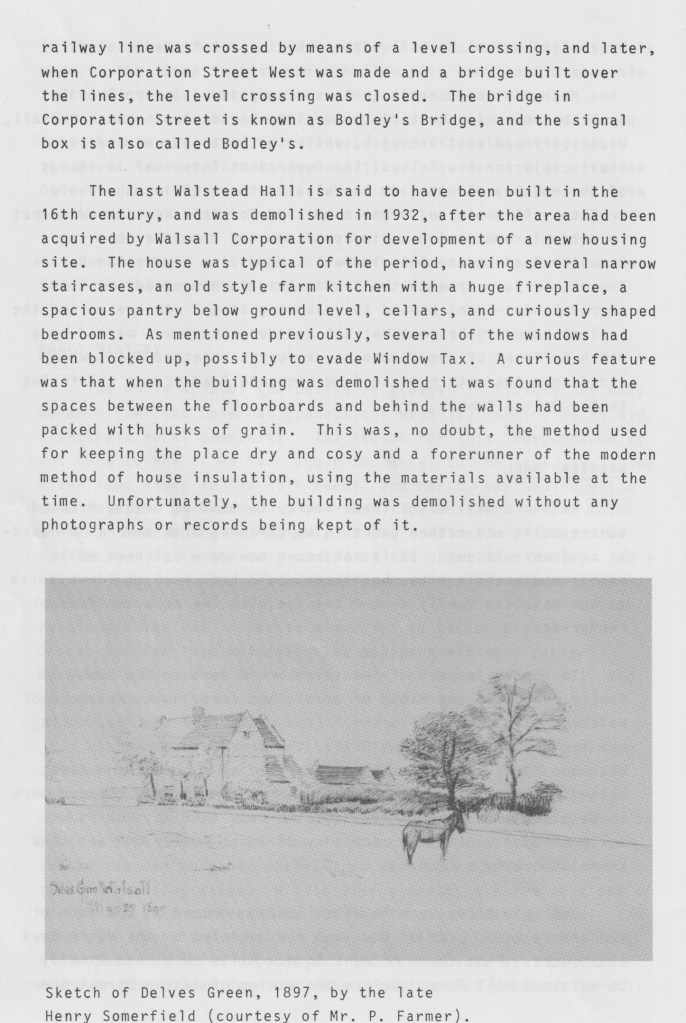
The image on the front cover is described inside the booklet as follows:- Watercolour of Folly House Lane, the approach to the Delves, by the late Henry Somerfield (courtesy of Mr. P. Farmer)
Anyone that knows this site will have seen the digitised versions of my Walsall Lives calendars and this post alludes to the August page in the first calendar I produced back in 2002.
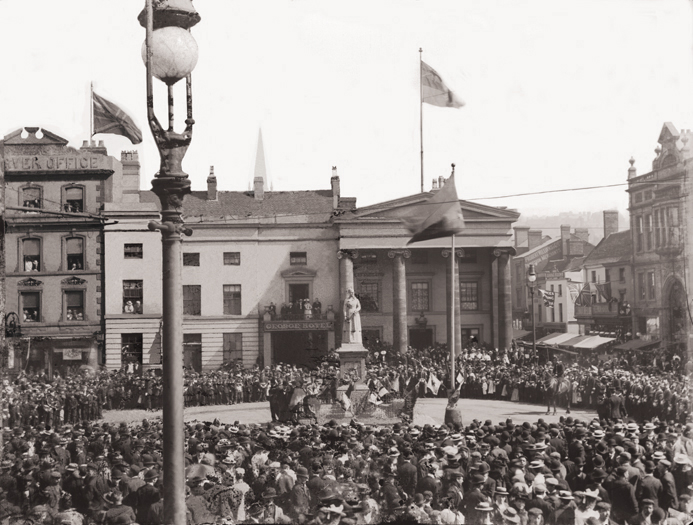
On 10th March 1900 the Volunteer Service Company, which was only formed weeks earlier, set sail for South Africa. The Company consisted of three Volunteer Battalions of the South Staffordshire Regiment, the 1st Handsworth, 2nd Walsall and the 3rd Wolverhampton.
One of the photographers who recorded the Volunteers return was Arthur Farrington who was probably assisted by his brother Frank, another keen photographer. I have three photographs of the event and the first is shown below showing the large crowd waiting for the soldiers to appear. Note the men and women standing on the small balcony above the main entrance to the George Hotel.Read More »
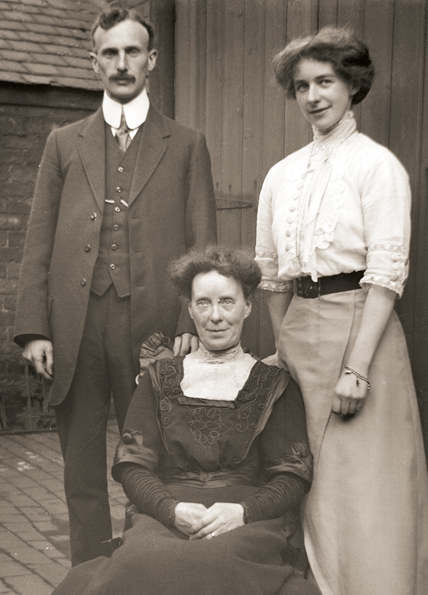
Frederick with his sister Elsie and mother Kate c.1910
Frederick Blanchard was Headmaster of Blue Coat Senior School for many years and also a prolific photographer, a member of Walsall Photographic Society. His daughter Freda, also a teacher but at Blue Coat Infants and Junior Schools was also a member of the Society some years later. During his lifetime he took thousands of photographs with a plate camera in the early days and later film camera.
Around 1920 Frederick took six photographs on glass negatives showing various buildings in Walsall town centre very late at night. The images have an eerie look about them and it makes one wonder who…. or what lurks in the shadows?
Plate cameras were bulky things to lug around and taking photographs with them, even in good light was tricky so to do this in darkness was the ultimate challenge. Frederick didn’t make a bad job of it as you will see, only one photograph suffered from some camera movement. Read More »
With all the talk of global warming and adverse weather it seems meteorology has only been “invented” in the last 40 years, bit like sex was invented in the 1960s! But in 1895 the weather hit Walsall hard in the form of a hurricane.
The report from which the information has been taken was first published in the Walsall Advertiser on Saturday 30th March 1895.The General Hospital in 1935 badly damaged in the hurricane 40 years earlier. Although the hospital had been extended by this time the wards with the long windows on the left was where the chimney came through the roof. The chimney stood behind the thin building with the pointed roof adjoining the new extension.
Although Job Toon, the central character in this story was not originally from Walsall he did live in the town in his early life and also ended his days there. In the years in between he became a jockey, head lad, assistant trainer, trainer/stud manager and finally, the licensee of the New Inn, John Street, Walsall. How many other Walsall publicans can say they came second in the Irish Derby as a jockey and then won the same race a few years later as a trainer?
Thought to be a young Job Toon, an image taken from the German book, Album des Deutschen Rennsport published in 1900. Courtesy of Tim Cox.
Job was born in 1851 in Atherstone, Warwickshire to Job and Elizabeth Toon, the sixth of their seven children. In the census of 1851 Job was just 5 months old and the family were living in Woolpack Yard, Atherstone where Job senior made his living as a wood turner. By 1861 the Toon family had moved from Atherstone to 4 Birchill Street Court in Walsall where Job senior was now earning his living as a hame maker in the leather trade. The young Job, now 10 years old had given up on school and was employed as a brush maker at one of the several brush manufacturers in the town.
When exactly the next chapter in young Job’s life began is uncertain but it appears he followed his thirteen year old brother, James, who by 1861 was listed in the census as a groom at Thomas Cliff’s stable in Hednesford. Another apprentice in Cliff’s stable at this time was another thirteen year old, the Champion Jockey of 1866, Manchester born Samuel Kenyon, also aged thirteen in 1861.Read More »
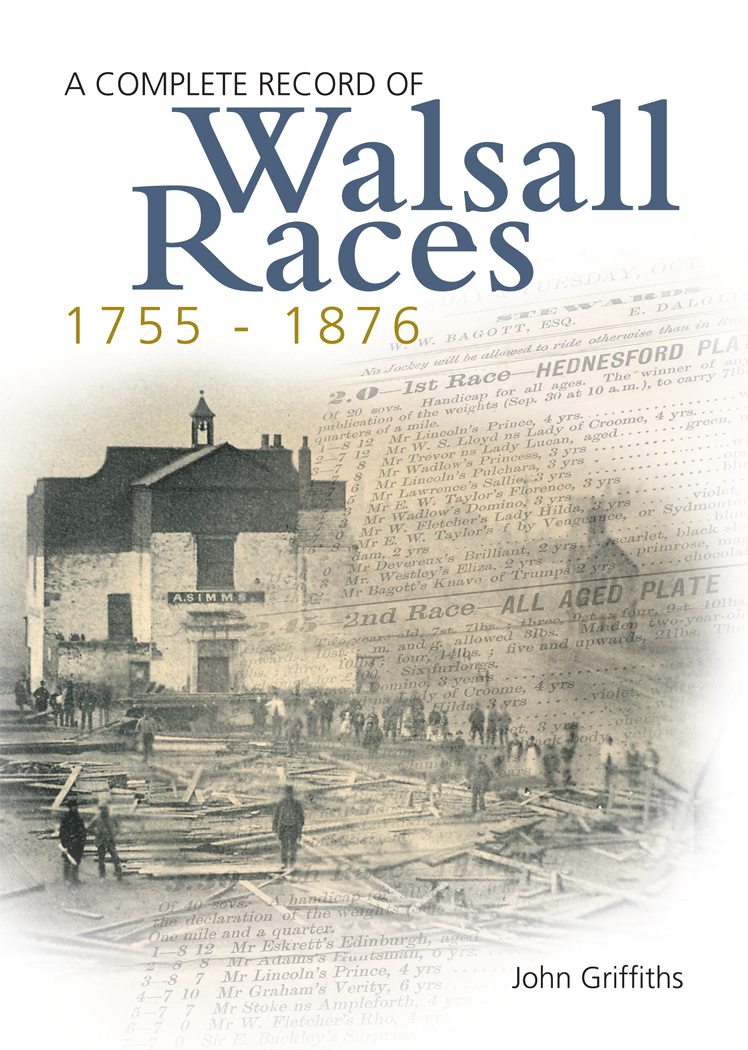
It has been ten years since I self-published the first edition of A Complete Record of Walsall Races & The Hednesford Training Grounds and almost from day one I regretted the fact that I never registered it with the British Library…….in other words, it didn’t have an ISBN. At the time it seemed like a good idea as it added to the cost of producing the book. In the ten years that have passed I have produced many books for local history societies and individual authors and quite a high percentage of them have been registered with the British Library, it one was of these authors that allowed me to register this revised edition.
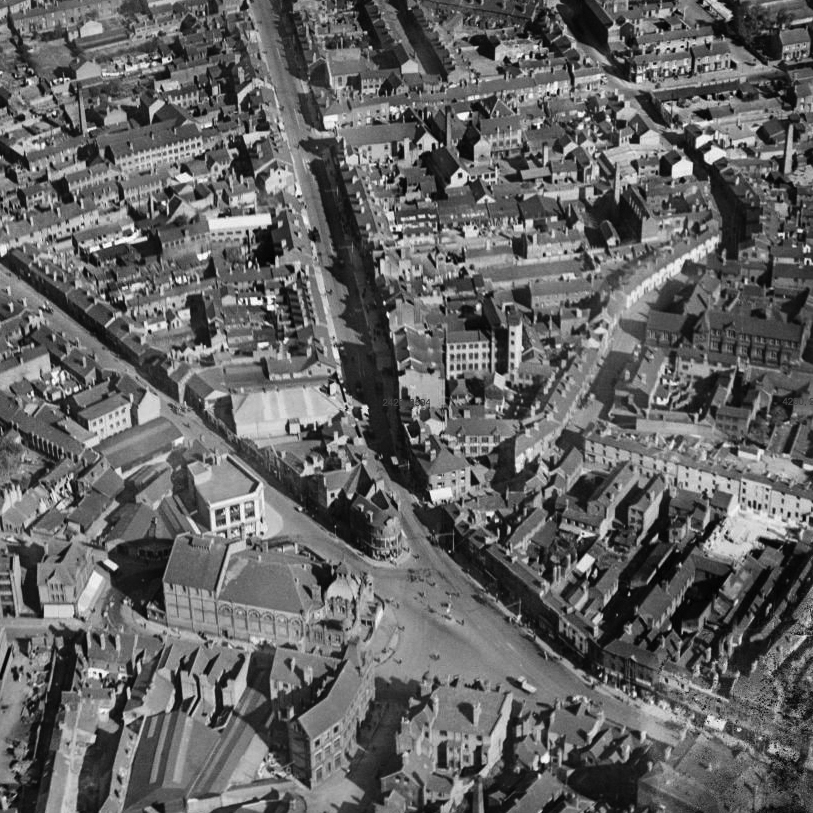
This day and age the words Town End Bank and the Wisemore mean very little to the people of the town but in the past they were both famous, some would say infamous, areas of Walsall
An aerial view of the Wisemore and Town End taken in 1928. Her Majesty’s Theatre can be seen towards the bottom left of the picture, also in the far right lower corner is the Grand Theatre. The Wisemore Schools are half way up the picture on the right. (Taken from Britain From Above, http://www.britainfromabove.org.uk/)
The perceptions of Walsall past are looked at by many people through rose-tinted glasses to say the very least. Words such as beautiful and spotless are regularly used to describe scenes of old Walsall shown in postcard pictures posted on social media sites; the pictures may be both of those things but the town certainly wasn’t.Read More »
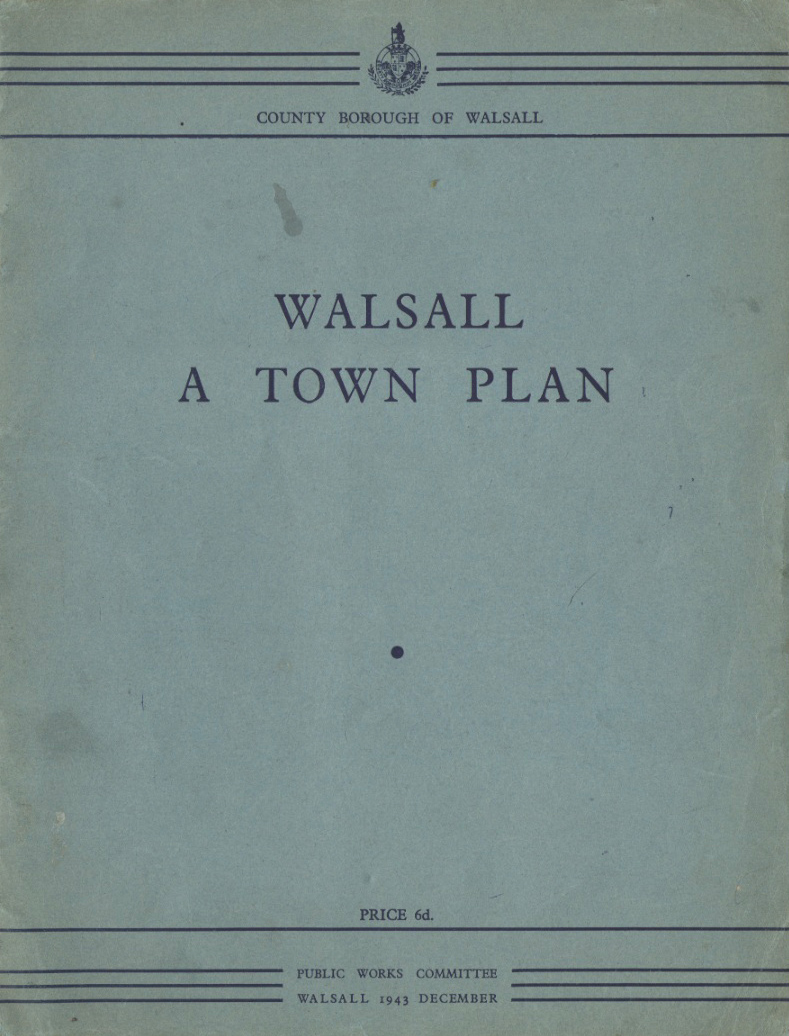
The front cover of the publication from 71 years ago price 6d (2.5p).
In the last few days whilst preparing to put the Walsall Lives Calendar for 2009 onto the blog I came across a page that I thought warranted further investigation and explanation. It concerned the Council’s plans for redevelopment seventy-one years ago.
In November 1943 the County Borough of Walsall produced a twelve page booklet telling of their vision for the future of the town. Included in the booklet were two large maps titled “Plan A” and “Plan B”, produced separately, folded and stored in a flap on the inside back cover. It is these two maps which will be of main interest to the readers of this post, don’t forget to click on the images as this will enlarge them.Read More »



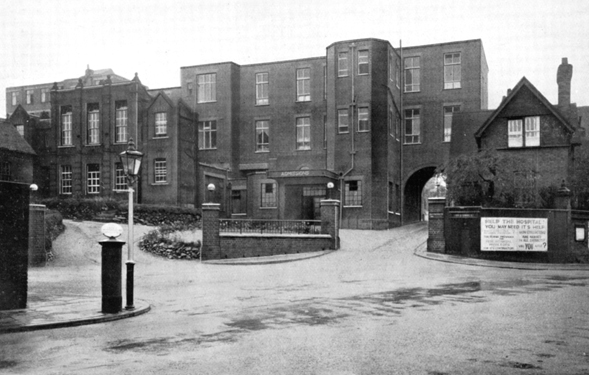 The General Hospital in 1935 badly damaged in the hurricane 40 years earlier. Although the hospital had been extended by this time the wards with the long windows on the left was where the chimney came through the roof. The chimney stood behind the thin building with the pointed roof adjoining the new extension.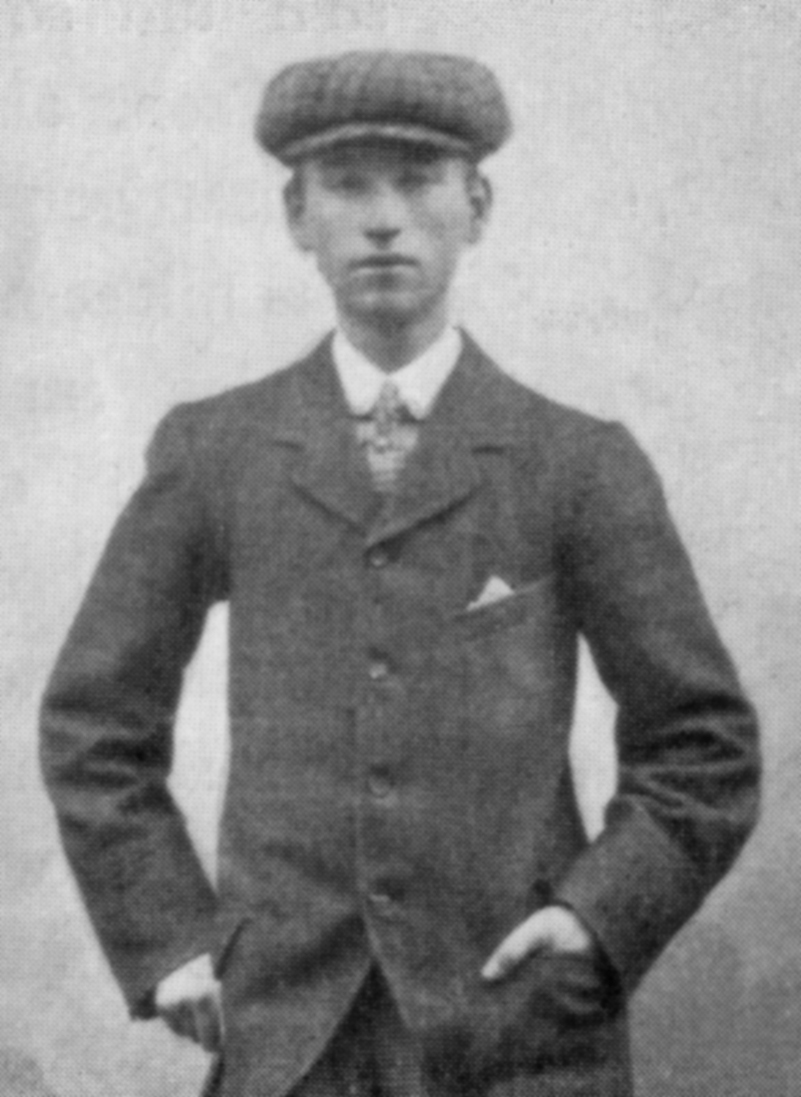
 Walsall Life